plugboxlinux online solitaire has become an unexpected reference point in conversations about the intersection of classic gaming traditions and digital innovation. As technology reshapes how people interact with games, communities, and personal downtime, digital card-based platforms demonstrate how simple concepts can evolve into tools of learning, relaxation, strategy, and socialization. The timeless appeal of card games—once confined to physical decks and tables—now thrives within browser windows, mobile apps, and cloud environments, proving that even the most traditional formats can benefit from modern adaptability. In an era defined by constant shifts in user behavior, the rise of digital solitaire represents more than just entertainment; it embodies a transformation in how people unwind, enhance cognitive skills, and personalize their gaming experiences.
The Shift From Physical Cards to Digital Platforms
In the beginning of the digital gaming boom, plugboxlinux online solitaire emerged alongside various early card-game simulations that were designed to bring familiarity to otherwise intimidating computer interfaces. Early digital card games were intentionally simple: minimal animations, straightforward layouts, and mechanics identical to their physical counterparts. Over time, improved operating systems, larger displays, and more intuitive interfaces encouraged developers to enhance card-based games with smooth animations, customizable themes, and adaptive gameplay modes. This evolution allowed solitaire to grow from a basic pre-installed utility to a multifaceted pastime enjoyed by millions. In the middle of this transformation lies a deep appreciation for nostalgia, combined with a desire for convenience. Players realized they could enjoy the feel of a classic card game without needing a deck, table, or physical space—opening doors to quick sessions during breaks, travel, or quiet evenings. Uae peak, thehometrotters, meetshaxs, beaconsoft.
Why Solitaire Remains Universally Popular
As gaming preferences shift toward fast-paced, visually intense experiences, plugboxlinux online solitaire demonstrates that simplicity and strategy still hold tremendous value. Solitaire’s appeal lies in its inherent flexibility: it is both a game of chance and a game of logic. Players can enjoy short sessions or extended, thoughtful runs depending on their mood. Solitaire requires no opponent, no waiting times, and no internet connection in many cases—making it accessible across age groups, professions, and lifestyles. In the middle of its popularity is its therapeutic effect. Studies show that quick, repetitive logic-based tasks help the brain reset, offering a form of mindfulness that reduces stress and increases mental clarity. Solitaire often serves as a quiet retreat from overwhelming digital noise, enabling players to focus on incremental problem-solving rather than constant social interactions plugboxlinux .org.
Cognitive Benefits of Digital Solitaire
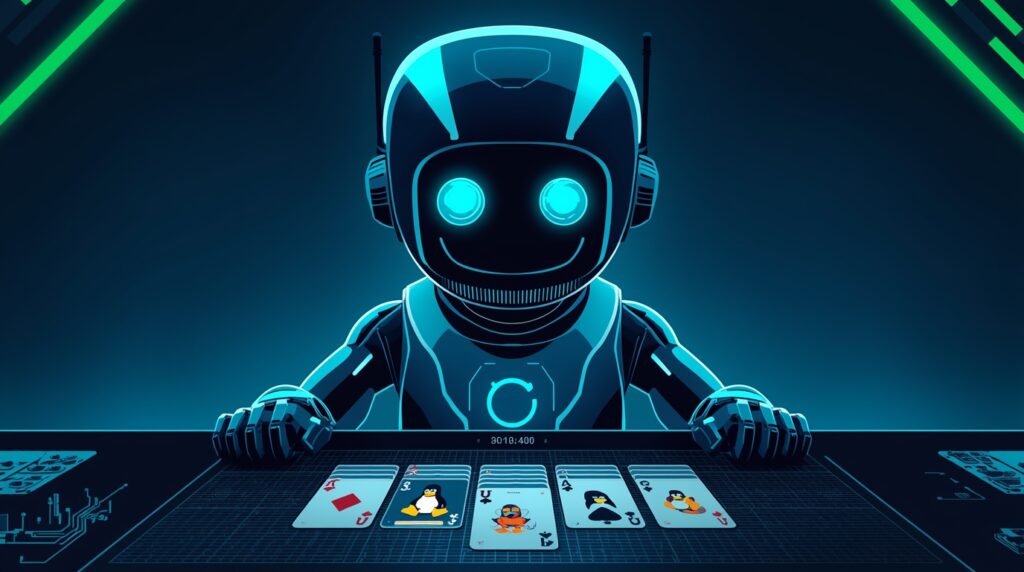
plugboxlinux online solitaire aligns closely with cognitive skill development without forcing players into rigid training programs. Regular solitaire sessions strengthen pattern recognition, short-term memory, decision-making, and critical thinking. Each move requires players to evaluate potential outcomes, track multiple card placements, and identify emerging sequences. These tasks lightly exercise executive functions without creating fatigue. In the middle of these benefits lies adaptive difficulty: digital versions can subtly adjust layouts, offer hint systems, or introduce timed modes to challenge users. This creates a balanced environment where players improve naturally while maintaining a sense of enjoyment. As users rotate between casual and competitive modes, their cognitive engagement varies, keeping the activity mentally stimulating rather than repetitive.
Customization and Personal Expression in Digital Gameplay
plugboxlinux online solitaire showcases the modern trend of personalization, where players can transform baseline games into uniquely tailored experiences. From card-back designs to thematic table backgrounds, sound effects, and rule variations, customization has become a defining element of digital solitaire. Users can craft environments that feel calming, energetic, nostalgic, or futuristic, depending on their preferences. In the middle of these customization trends is the psychological impact of ownership: when players personalize their gaming space, their emotional connection to the activity deepens. This encourages longer play sessions, improved focus, and a stronger sense of satisfaction. Customization also allows solitaire to feel fresh even after years of play, keeping engagement high.
The Influence of Mobile Platforms on Solitaire’s Growth
plugboxlinux online solitaire reflects the explosive rise of mobile gaming, which transformed solitaire from a desktop pastime into a global portable hobby. Mobile devices introduced ease of access, push-notification reminders, touch-based interactions, and on-the-go convenience. These features made solitaire more interactive, tactile, and addictive. In the middle of this shift is the reality that mobile platforms cater to short attention spans and fragmented routines. Players can complete a round while waiting in line, commuting, or taking a break from work. This convenience naturally integrates solitaire into everyday life, contributing to a surge in daily active users. Developers also introduced leaderboard systems and achievements, adding layers of competition for players who crave progression. cwbiancavoyage, decoratoradvice, programgeeks, Stonecap3.0.34 Software, magazinoor.
Solitaire as a Stress-Relief Tool in the Digital Era
plugboxlinux online solitaire often doubles as a mental refuge in fast-paced modern environments. Many people rely on digital solitaire as a grounding activity—something predictable and comforting amid uncertainty. Although the mechanics remain consistent, each game contains small variations that maintain engagement without introducing stress. In the middle of this soothing effect lies the brain’s response to structured repetition. When players engage in solitaire, they enter a semi-meditative state where focus narrows to simple, goal-oriented movements. This helps regulate emotions, reduce anxiety, and promote mindfulness. The game’s quiet rhythm acts like a digital breathing exercise, calming the mind without requiring conscious effort.
The Social Side of a Traditionally Solo Game
plugboxlinux online solitaire may seem like an inherently solitary activity, but modern versions incorporate social components that expand community engagement. While players still enjoy individual gameplay, they can share achievements, participate in timed challenges, or compare scores with friends. Social features encourage players to return regularly, fostering a sense of connection. In the middle of these community-driven experiences lies a shift in how people relate to classic games. What was once a quiet, private activity now becomes a shared form of entertainment, enabling players to bond through friendly competition and collective progress. This hybrid of solitary play and digital connection reflects broader trends in casual gaming.
The Role of Algorithms in Modern Solitaire Engines
plugboxlinux online solitaire represents how sophisticated algorithms have enhanced traditional card games. Digital engines shuffle, distribute, and manage cards using computational randomness, which aims to replicate or exceed the unpredictability of physical shuffling. Some systems analyze a player’s preferences or skill levels, adjusting game setups to maintain engagement. In the middle of algorithmic design lies fairness and consistency. Developers must ensure that games remain winnable yet challenging, avoiding overly predictable patterns. Advanced engines also offer undo systems, hints, and automatic movement—all made possible through precise calculations. This fusion of human logic and machine precision contributes to a refined gaming experience.
The Future of Solitaire in Emerging Technologies
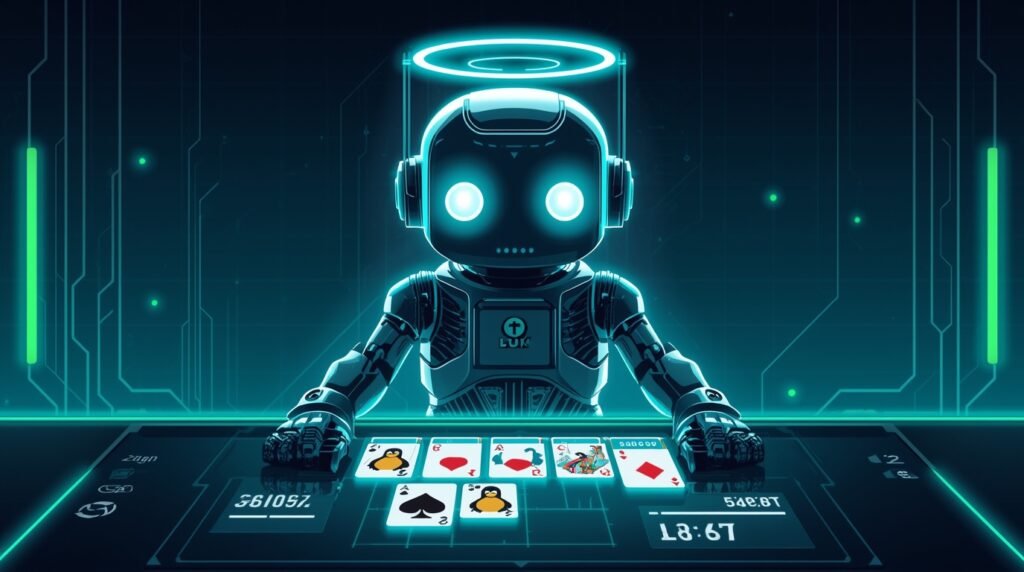
plugboxlinux online solitaire hints at future innovations such as augmented reality (AR), virtual reality (VR), voice-controlled actions, and AI-assisted gameplay. AR may soon allow players to project cards onto real-world surfaces, while VR could fully immerse users in virtual card rooms. In the middle of these technological expansions lies a question of user adaptation: how will classic card players embrace futuristic features without losing the charm of the original game? Developers must balance innovation with tradition, ensuring that solitaire remains accessible while integrating modern capabilities. As AI becomes more advanced, solitaire engines may offer personalized learning paths that help players improve strategically, blending relaxation with intelligent guidance.
Conclusion
plugboxlinux online solitaire stands as a symbolic intersection of tradition, technology, and personal well-being. From its simple origins to its modern digital forms, solitaire continues to thrive because it adapts without abandoning its core appeal. In the middle of shifting gaming trends, evolving user expectations, and emerging technologies, solitaire remains relevant, therapeutic, and intellectually stimulating. Its enduring presence in digital culture reflects a universal truth: sometimes the simplest games hold the deepest value. And as technology advances, solitaire’s future will remain bright—expanding into new formats while continuing to offer comfort, clarity, and timeless enjoyment to players around the world.